TOYOTA 418-56383B Clutch Slave Cylinder MR2
fits model: Spyder. make: Toyota. year: 2000.
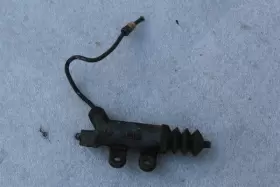
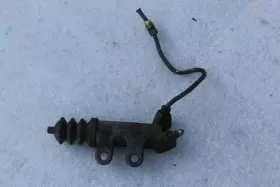

( Part Type: Clutch Cylinder ), ( Conditions Options: A, Clutch Slave Cyl ), ( Genuine Oem: Yes ), ( Ipn: 418-56383b ), ( Transmission Type: Manual ), ( Warranty: 60 Day ), ( Items Included: Clutch Slave Cylinder )
Review TOYOTA Mr2 Clutch Slave Cylinder fits SPYDER 2000
The Toyota 418-56383B clutch slave cylinder is a crucial component of the braking system in certain models of the Toyota MR2 sports car, specifically those manufactured around the year 2000. This part functions as part of the hydraulic system, connecting the slave cylinder to the clutch assembly and facilitating the engagement and disengagement of the transmission clutch. When the foot pedal is pressed, hydraulic fluid is forced through the master cylinder and into this slave cylinder, which then pushes the clutch piston against the clutch fork, disengaging the clutch and allowing the car to shift gears.
This particular clutch slave cylinder is manufactured by Toyota, ensuring a high level of quality and compatibility with your vehicle. It comes with a new, durable piston and a rebuildable design, allowing it to be serviced and reused multiple times. The exterior of the cylinder is coated in a corrosion-resistant finish to protect against damage and wear from environmental conditions. Additionally, the cylinder incorporates seals and other critical O-rings to prevent leaks and maintain an efficient hydraulic system.
Installing this clutch slave cylinder in your Toyota MR2 is a straightforward process the replacement part fits correctly into the existing hydraulic system. However, it's always recommended to consult your vehicle's service manual or consult with a professional mechanic to ensure a seamless installation. In case of a worn-out or leaking slave cylinder, upgrading to this new Toyota 418-56383B clutch slave cylinder can help keep your vehicle running smoothly, reliably, and efficiently.
Pros and Cons of Buying a Toyota 418-56383B 2000 MR2 Spyder Clutch Slave Cylinder
Toyota 418-56383B 2000 MR2 Spyder clutch slave cylinder
Introduction:The Toyota MR2 (Mid-Engine Rear-Wheel Drive 2) is a classic sports car known for its sleek design, balanced handling, and efficient engine. Over time, components like the clutch slave cylinder may wear out and need replacement. Now, let's examine the pros and cons of buying a Toyota 418-56383B 2000 MR2 Spyder clutch slave cylinder to help you make a well-informed decision.
Pros:1. Toyota Legitimacy: Toyota parts, including the 418-56383B clutch slave cylinder, are carefully engineered and manufactured to exacting standards for optimal performance and longevity.
2. OEM Fit: This part is an Original Equipment Manufacturer (OEM) replacement, meaning it's a direct factory fit with no modifications required, ensuring a precise fit and function.
3. Reliability: Given Toyota's reputation for producing dependable, high-quality parts, you can trust that the 418-56383B clutch slave cylinder will function reliably and efficiently, minimizing the risk of prospective issues.
4. Improved Driving Experience: A faulty clutch slave cylinder may lead to a less-than-ideal driving experience. Replacing it with a new, functional clutch slave cylinder can help lead to a smoother, more responsive vehicle, enhancing the enjoyment of your MR2.
Cons:1. Cost: Original Equipment Manufacturer (OEM) parts, like the 418-56383B clutch slave cylinder, tend to be more expensive compared to aftermarket options.
2. Availability: Depending on the specific model of your MR2, the availability of OEM clutch slave cylinders may be limited, which could result in a longer wait time for the replacement part.
3. Potential for Upgrades: If you're looking to upgrade the performance of your MR2 or planning to engage in competitive racing, an aftermarket clutch slave cylinder may offer additional benefits, such as upgraded features or enhanced response.
Conclusion:In conclusion, when considering the purchase of a Toyota 418-56383B 2000 MR2 Spyder clutch slave cylinder, it's essential to weigh the pros and cons carefully. The benefits of buying an OEM part, such as reliable performance, perfect fit, and Toyota's reputation for quality, may outweigh the potential drawbacks of cost and limited availability, particularly if you prioritize a stock or stock-like driving experience. However, if you plan to make significant performance upgrades or engage in competitive racing, aftermarket options may be worthwhile to explore. Ultimately, the decision depends on your individual priorities and circumstances.
Details:
specifications addedclutch:
- for models: Spyder
- for makes: Toyota
- for years: 2000
- part type: Clutch Cylinder
- conditions options: A, Clutch Slave Cyl
- genuine oem: Yes
- interchange part number: 418-56383B
- transmission type: Manual
- warranty: 60 Day
- items included: Clutch Slave Cylinder
shipping addedclutch:
- service: Standard
- type: Fixed
- cost: $0.00
- transit: 4-8 Days
- class: Standard
offer addedclutch:
- started: June 23, 2024
- availability: In Stock
- sold: 0
- best offers: True
- quantity: 1
- options: Ship-to-home
general addedclutch:
- Transmission Drivetrain > Clutch Parts Kits > Additional Clutch Parts
- condition: Used
returns addedclutch:
- paid by: Buyer
- policy: Returns Accepted
- time: 60 Days
payments addedclutch:
- wallet: Paypal
- credit card: Visa
seller addedclutch:
- city: Rancho Cordova, California
- rating: 99.1%
- # reviews: 16657
Toyota Is Similar To:
- Toyota 31410-53020 Lexus Is300 Clutch Master Cylinder Oem (62.5% similar) Came off of a parts car that was factory manual IS300. This toyota clutch master cylinder assembly is a direct replacement for the Lexus IS300. This clutch master cylinder is great for anyone looking to manual swap their IS300...(June 16th, 2024)
- Toyota 31482-10020 Tercel Clutch Slave Cylinder 96-99 1.5l 4cyl Mt 5speed 31470-10040 (54.3% similar) Standard warranty...(June 16th, 2024)
- Toyota 417-56268 Clutch Master Cylinder 6 Fits 89-95 Pickup (56.1% similar) Body panels/ doors. Transmissions. N new part manufactured from scratch. Fuel tanks hazmat. Large pieces of glass back glass/windshields. This part will only fit the makes and model's with options shown below. Call today to track down the part you've been looking for. Large cross members/k...(June 16th, 2024)
- Toyota 417-56165 Clutch Master Cylinder 4 Fits 84-89 Runner (54.4% similar) Fuel tanks hazmat. N new part manufactured from scratch. Call today to track down the part you've been looking for. Body panels/ doors. This part will only fit the makes and model's with options shown below. Large cross members/k-frames. Large pieces of glass back glass/windshields...(June 16th, 2024)
- Toyota 31470-28040 T100 Clutch Slave Cylinder 95-98 2.7l 4cyl 3rzfe 5speed (52.7% similar) Standard warranty...(June 17th, 2024)
- Toyota 31454-16010 Tercel Clutch Master Cylinder 91-99 1.5l 4cyl 5speed Fwd 31454-1601 (45.4% similar) Standard warranty...(June 17th, 2024)
- Toyota 4124209 Used Brake Pedal Fits 2007 Tacoma Brake clutch Grade A (40.3% similar) Parts go back into cars rather than landfill. Orders placed after 2:00 pm CST cannot be guaranteed shipping that day. This part fits vehicles made in the following years 2007 .SUPERSEDED part numbers this item may have been superseded from a different number this manufacturer...(June 19th, 2024)
- Toyota 410.to1n15 Prius Clutch Disc 2012 2013 2014 2015 (38.2% similar) Warranty: all parts come with our standard 60 day warranty. Donor vehicle - 2015 Prius. 4 ,1.5,AT,FWD. Stock number - 2427. This part will fit these following makes and model's with options. It is stored in doors and ready to be shipped...(June 20th, 2024)
- Toyota 31410-17120 2000 Mr2 Spyder Clutch Master Cylinder (80.4% similar) ...(June 23rd, 2024)
- Toyota 31470-30260 Pickup Clutch Master Cylinder 1989-1995 2.4l-4cyl 22re (50% similar) Standard warranty. Toyota pickup, clutch master cylinder, 1989 -1995, 2.4L-4CYL, 22RE, 31470-30260 MT-W46, RWD-G662, good used oem with minor wear...(June 26th, 2024)
- Toyota 31470-35050 Clutch Slave Cylinder 4 22rec Engine Fits 81-95 Pickup (51.6% similar) Part #: toyota 31470-35050 for sale...(July 11th, 2024)

4 offers $27.26–$39.96 USD
- Used. Offer #1 priced at $27.26 + $0.00 delivery = $27.26* total. MR2 00 from 04/00 HAS RUSTY.FREE SHIPPING
- Used. Offer #2 priced at $27.45 + $0.00 delivery = $27.45* total. FREE SHIPPING
- Used. Offer #3 priced at $39.96 + $0.00 delivery = $39.96* total. IT IS USED BUT IN GOOD CONDITION. MR2 00 from 04/00 mfg date only.FREE SHIPPING
- Used. Offer #4 priced at $39.95 + $0.00 delivery = $39.95* total. loc w5h24d. 2001-2005 Toyota MR2 Spyder.FREE SHIPPING