PORSCHE Clutch Fork 924
fits model: Turbo. make: Porsche. year: 1979–1982.
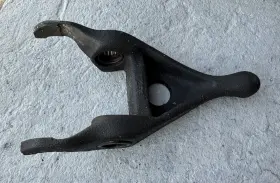
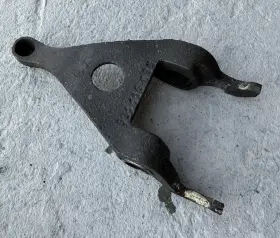
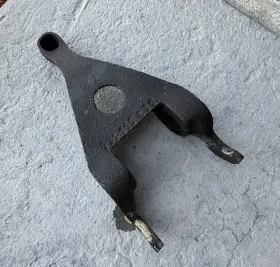
( Part Type: Clutch Fork ), ( Manufacturer Part Number: 931116835 ), ( Vintage Part: Yes ), ( Country/region Of Manufacture: Germany )
Review PORSCHE Clutch Fork Oe 924 931 116 835 fits TURBO 1979–1982
Porsche 931 116 835 Clutch Fork for 924 Turbo (1979-1982)
Description:The Porsche 931 116 835 Clutch Fork is an essential component in the drivetrain system of the Porsche 924 Turbo manufactured between 1979 and 1982. These clutch forks play a crucial role in the interconnection between the clutch pedal assembly and the pressure plate where the friction disc engages with the flywheel, facilitating smooth and precise gear changes during vehicle operation. The clutch fork, number 931 116 835, is specifically designed and engineered for Porsche's high-performance 924 Turbo applications.
The clutch fork is a robust and robustly built component, crafted primarily from high-strength steel to ensure optimal durability, longevity, and resilience against the heavy forces exerted during the engagement and disengagement processes. It boasts a polished, sleek finish that not only adds aesthetic appeal but also minimizes friction and welcomes easy-to-clean surfaces for effortless maintenance and upkeep.
Key Features:1. High-strength steel construction for durability and resilience.
2. Precision-engineered design for smooth and efficient clutch operation.
3. Polished finish for reduced friction and easy maintenance.
4. Designed exclusively for 1979-1982 Porsche 924 Turbo models.
5. Ensures reliable and consistent engaging and disengaging of the clutch system.
In conclusion, the Porsche 931 116 835 Clutch Fork plays an indispensable role in the seamless performance of the automatic and manual clutch systems on Porsche 924 Turbo vehicles from 1979 to 1982. Its high-quality engineering, robust design, and aesthetic appeal make it an invaluable replacement or upgrade for any Porsche enthusiast or automotive professional, who expects outstanding precision, performance, and durability from their cherished classic vehicles.
Porsche 931116835 Clutch Fork for 924 Turbo (1979-1982): A Cooled Analysis of Pros and Cons
The Porsche 931116835 clutch fork is a component used in the drivetrain system of the 924 Turbo cars manufactured between 1979 and 1982. This clutch fork plays a significant role in the transmission system, helping to transfer engine power to the transmission. In this analysis, we will discuss both the pros and cons of investing in a Porsche 931116835 clutch fork replacement.
Pros:1. Enhanced Performance: A worn-out clutch fork can lead to suboptimal clutch engagement and performance, translating to potential power losses. Replacing the old clutch fork with a new one can help ensure smooth power transmission and, therefore, an improved driving experience.
2. Reliability: A worn clutch fork may also lead to premature clutch failure, as the clutch packed may not engage uniformly or correctly. By installing a new clutch fork, you can increase the reliability of the entire drivetrain system and potentially prevent more extensive repairs or replacements down the road.
3. Longer Clutch Life: A good-quality Porsche 931116835 clutch fork can help contribute to a longer clutch life overall. A well-functioning clutch system relies on a variety of components interacting effectively, and a high-quality clutch fork can help ensure these interactions remain consistent and efficient.
4. Reduced Risk of Damage: Worn clutch components, including the clutch fork, can lead to damage to other parts of the drivetrain system, as well as increased wear on the transmission entirely. By replacing the clutch fork, you can help minimize the risk of these further damages and subsequent costs.
Cons:1. Cost: A new Porsche 931116835 clutch fork can be a considerable investment, especially for an older vehicle. Depending on the source, prices can vary significantly, ranging from several hundred to over a thousand dollars.
2. Installation Complexity: The installation process of a Porsche 931116835 clutch fork involves multiple steps and requires a fair amount of mechanical knowledge and tools. If you do not possess the required skills and equipment to perform the installation yourself, you may need to hire a professional, increasing the total cost.
3. Potential for Errors: Due to the intricacy of the installation process, there is a risk of errors, such as using the incorrect clutch fork or incorrectly installing the clutch fork, potentially leading to further complications, trouble, and costs.
Conclusion:In conclusion, while replacing a worn-out Porsche 931116835 clutch fork in a 924 Turbo built between 1979 and 1982 can bring significant benefits, including improved performance, enhanced reliability, longer clutch life, and reduced risk of damage, it also comes with costs, complexities, and potential risks. Therefore, to decide whether or not to buy this clutch fork, carefully consider the price range, your mechanical abilities, and the potential benefits and costs specifically to your unique situation. If you are uncertain about the installation process or potential errors, it may be wise to employ the help of a professional mechanic.
Details:
It has only light wear at the contact points - plenty of life left. Bearings are in good shape - rollers operate smoothly. WILL NOT FIT STANDARD NON-TURBO EARLY Porsche 924 1976-1982 2.0L NA. The PIN appears to be new as well, but was installed/.
WILL FIT ALL YEARS OF PORSCHE 924 TURBO, Cabrera GT, early 944 and 1986 1988 Porsche 924S. This Porsche 931 924 Turbo/ Cabrera clutch fork was removed from a 1980 924 Turbo.
part #: 931116835 prices
- $33.64-$55.00
specifications addedclutch:
- for models: Turbo
- for makes: Porsche
- for years: 1979-1982
- part type: Clutch Fork
- manufacturer part number: 931116835
- vintage part: Yes
- country/region of manufacture: Germany
shipping addedclutch:
- transit: 5-12 Days
- carrier: USPS
- type: Calculated
- class: Expedited
- cost: $11.27
- service: USPS Priority Mail
seller addedclutch:
- # reviews: 1140
- rating: 100.0%
- city: Mount Juliet, Tennessee
payments addedclutch:
- other
- credit card: Mastercard
- wallet: Paypal
general addedclutch:
- condition: Used
- Transmission Drivetrain > Clutch Parts Kits > Additional Clutch Parts
offer addedclutch:
- quantity: 1
- availability: In Stock
- options: Ship-to-home
- started: November 30, 2024
- sold: 0
returns addedclutch:
- policy: No Returns
Porsche 931116835 Is Similar To:
- Porsche Fichtel sachs 3032015399 F-model Clutch Pressure Plate (38.1% similar) Porsche f model clutch pressure plate, free shipping 48 state, 911 t/s/e disc INS...(June 26th, 2024)
- Porsche 93011801251 911 Clutch Fricton Plate (48.1% similar) Porsche 911 clutch friction plate, free shipping 48 state...(June 26th, 2024)
- Sachs 61611601402 Nice Used Original Genuine Sach Porsche 356b T6 S90 356c Clutch Pressure Plate 2 (30.9% similar) No surprises here. Weir spreeing porsche. Please see pictures. Here is a nice used original porsche clutch pressure plate 616.116.014.02 as on 1962 -65 356B t6 super 90 and 356C model's. This can be shipped anywhere worldwide...(June 27th, 2024)
- Porsche 83 84 85 86 87 88 89 90 91 83-91 944 Master Cylinder To Fluid Pipe Clutch Hose Line Tube Oem (32.9% similar) ...(June 27th, 2024)
- Porsche 93011671306 930 Clutch Release Lever 78-89 (49.1% similar) 1978 - 1989 930. Technical questions. Used porsche 930 clutch release lever...(July 11th, 2024)
- Porsche 91511671304 911 915 Transmission Clutch Release Lever 74-77 (44.3% similar) 1974 - 1977 911. Used porsche 911 915 transmission clutch release lever. Technical questions...(July 11th, 2024)
- Fte Automotive 99742317150 Porsche 911 997 Clutch Generator Cylinder (36.4% similar) Please consider leaving a review. Pre-owned items may have scratches, dents, etc...(July 11th, 2024)
- Sachs 930-116-021-03 Porsche 03 Clutch Pressure Plate 931 116 001 02 (48.5% similar) The plate is designed for manual transmission and fits perfectly with your cars manufacturer part number 930-116-021. It comes with a one-year warranty and is genuine oem product made in germany by Sachs. This genuine porsche pressure plate is a direct replacement for your 1986 -1989 911 model...(July 11th, 2024)
- Porsche 7l0945083b Cayenne Audi Q7 Brake Clutch Pedal Bracket Mounting (34.3% similar) Shipping: fast free domestic shipping.: Audi q7 porsche cayenne brake clutch pedal switch mounting bracket 7L0945083B. Template made by. Parting out a 2006 porsche Cayenne's titanium edition. Donor car info: make: porsche, model: Cayenne's titanium edition, year: 2006 , engine...(July 12th, 2024)
- Porsche 91511671301 911 915 Transmission Clutch Release Set 72-77 (43.4% similar) Used porsche 911 915 transmission clutch release set. 1972 - 1977 911. Technical questions...(July 20th, 2024)
- Sachs 99611602051 Porsche 911 996 Turbo Clutch Pressure Plate Throw Out Bearing (39.2% similar) Pre-owned items may have scratches, dents, etc. Fits: porsche 911 996 turbo Sachs clutch pressure plate throw out bearing chassis: part number, all parts are tested and working, unless stated. Please consider leaving a review...(July 21st, 2024)

5 offers $33.64–$55.00 USD
- Used. Offer #1 priced at $39.99 + $9.35 delivery = $49.34* total. WILL FIT ALL YEARS OF PORSCHE 924 TURBO, 924 Carrera GT, early 944 and 1986-1988 Porsche 924S This Porsche 931 (924 Turbo/ Carrera) clutch fork was removed from a 1980 Porsche 924 Turbo .+$9.35 shipping
- Used. Offer #2 priced at $55.00 + $0.00 delivery = $55.00* total. FREE SHIPPING
- Used. Offer #3 priced at $33.64 + $19.87 delivery = $53.51* total. Unless clearly stated otherwise, all parts are used and may show signs of age-related wear. Part number: .+$19.87 shipping
- Used. Offer #4 priced at $40.00 + $11.68 delivery = $51.68* total. Removed from a 1984 Porsche 944 Project Car in working condition.+$11.68 shipping
- Used. Offer #5 priced at $47.63 + $28.43 delivery = $76.06* total. Rare Porsche Parts. Porsche 924 early 944 clutch release fork, used Porsche 924 early 944 clutch release fork, used 931 116 835 931.116.835 .+$28.43 shipping