FORD 18-7511 Flathead Transmission Clutch Arm Clevis Pins
fits make: Ford. year: 1932.
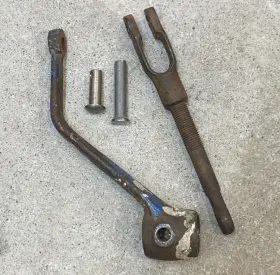
( Part Type: Transmission Clutch Arm Pin ), ( Manufacturer Part Number: 18-7511 ), ( Transmission Type: Manual )
Review FORD Original Late Flathead Transmission Clutch Arm Clevis Pins fits 1932
Introducing the Ford 18-7511 1932 Flathead Transmission Clutch Arm Clevis Pins, specifically designed for Ford flathead engines produced in 1932. These clevis pins are essential components of the clutch system, connecting the clutch arm to the pressure plate and enabling the transmission to engage and disengage smoothly.
Measuring approximately 2.4 inches long and made from high-strength steel, these pins boast exceptional durability and resistance to wear and tear. Their finish consists of a satin, untreated steel surface, allowing for an authentic, original look for classic car enthusiasts.
Each pin is manufactured with precision and care to ensure a perfect fit for your 1932 Ford flathead transmission. The clevis pins boast an octagonal shape that accommodates the tapered end of the clutch arm. Additionally, each pin features a polished, domed head on the other end, which engages with the press plate.
The double-shear design of these clevis pins adds an extra layer of strength and reliability an important aspect for any classic vehicle. By distributing the forces applied from the clutch arm and pressure plate evenly, the chances of failure or loosening are significantly reduced.
Rediscover the original performance and feel of your 1932 Ford flathead engine with these reproduction clevis pins. Ideal for those undergoing a complete engine restoration or those needing a replacement, these pins ensure the clutch system operates efficiently and effectively, adding excitement to every drive.
These clevis pins come in sets of two. Installing them is simple and straightforward, making them an excellent addition to any DIY restoration project or for professionals working on a classic Ford flathead project. Restore your pride and joy to its former glory with the Ford 18-7511 1932 Flathead Transmission Clutch Arm Clevis Pins.
Buying Ford 18-7511 1932 Flathead Transmission Clutch Arm Clevis Pins: Pros and Cons believing these are for a Ford flathead engine, here are the potential advantages and disadvantages of purchasing these parts:
Pros:1. Authenticity: These are OEM (Original Equipment Manufacturer) parts specifically designed for Ford 1932 flathead engines.
2. Reliability: Using genuine parts can result in better performance and longevity of your engine, as they are engineered to function optimally with your vehicle.
3. Proper fitment: With the correct part number, these clevis pins will fit your Ford engine correctly.
4. peace of mind: Replacing worn or damaged parts with new OEM ones can help give you confidence that the issue has been effectively addressed and reduce the chance of future problems.
Cons:1. Cost: OEM parts can be more expensive compared to aftermarket options, as their price reflects the cost of research, development, and production.
2. Availability: These parts might not always be readily available at local stores or major auto parts retailers, particularly for older vehicles.
3. Wait time: Since these parts might need to be shipped from a manufacturing facility or distributor, there may be a delay in receiving the part.
Conclusion:Deciding on whether to buy Ford 18-7511 1932 Flathead Transmission Clutch Arm Clevis Pins depends on your budget, vehicle's condition, and priority for authentic and reliable parts. If you aim for the highest performance and confidence in the longevity of your Ford flathead engine, choosing OEM parts like these would be a solid choice. However, if you're working on a budget or time constraint, exploring aftermarket options is an alternative to consider.
Details:
I slipped the arms big hole on a new clutch shaft, and it was perfectly tight. Also the original adjustable rod and clevis, with a new pin that attaches it to arm. Included with the clutch arm is a new pin to lock it shaft. Original clutch arm in great condition, but it has some rust and flaking paint.
Fast shipping included in the price. Holes are very good all around, except for the one on end of threaded rod last picture which is sold in restoration catalogs.
part #: 187511 prices
- $195.00-$495.00
specifications addedclutch:
- for makes: Ford
- for years: 1932
- part type: Transmission Clutch Arm Pin
- manufacturer part number: 18-7511
- transmission type: Manual
general addedclutch:
- condition: Used
- Transmission Drivetrain > Clutch Parts Kits > Additional Clutch Parts
offer addedclutch:
- quantity: 1
- options: Ship-to-home
- sold: 0
- availability: In Stock
- started: September 14, 2024
returns addedclutch:
- policy: Returns Accepted
- paid by: Buyer
- time: 30 Days
payments addedclutch:
- wallet: Apple-pay
- other
- credit card: Discover
shipping addedclutch:
- type: Fixed
- class: Standard
- cost: $0.00
- transit: 5-9 Days
- carrier: USPS
- service: USPS Ground Advantage
seller addedclutch:
- city: Studio City, California
- # reviews: 2367
- rating: 100.0%
Ford 18-7511 Is Similar To:
- Original Ford C5az 7550 65 66 67 Fairlane Galaxie 390 11 Inch Nos Rebuilt Clutch Disc C (33.3% similar) The box says rebuilt but ford actually sold new clutch discs packed in the boxes and this is just such a disc. Modern discs are a one size fits all and do not work as well. Can also be successfully used in other ford applications of the same vintage using 11 clutch. This is an original ford...(June 15th, 2024)
- 406.fd1h12 11-14 Ford Mustang 5.0l Mt Transmission Clutch Pressure Plate Friction Disc Pair (44.2% similar) No expedited shipping options are available at this time...(June 15th, 2024)
- Fleetman 48-7561 1932-1948 Ford Car 1948-1952 Truck Clutch Release Bearing Hub 48-7561 (38.1% similar) All return items must be complete, undamaged, unaltered and in resale condition...(June 15th, 2024)
- Ford Br3z7a543a Clutch Master Cylinder 3.7l Fits 11-14 Mustang (33.6% similar) Buyer accepts all risk of damages/injuries if not installed properly. Replace thermostat gasket. They will not have any packaging included. Airbags must be installed in accordance with vehicle manufacturers specifications. And engage torque converter into front pump...(June 16th, 2024)
- Ford C8tz-7528-b 1968-1972 Truck Clutch Release Equalizer Z Bar Except 302 (37.4% similar) Removed and cleaned comes as you see them. Used z bar bracket and equalizer...(June 16th, 2024)
- Ford Truck 417-00129 Clutch Master Cylinder Excluding 6-245 Fits 88-91 Ranger (27.8% similar) N new part manufactured from scratch. Large cross members/k-frames. This part will only fit the makes and model's with options shown below. Body panels/ doors. Transmissions. Large pieces of glass back glass/windshields. 6-245, warranty / guarantee. Call today to track down the part you've...(June 16th, 2024)
- Ford 196 64 65 66 67 68 1964 1968 Mustang 289 Ci Small Block V8 Clutch Fork (32.9% similar) 1964 - 1968 ford mustang 289 Ci small block v8 clutch fork, this is a used part...(June 16th, 2024)
- Ford Truck 326-00457b Fan Clutch 4-140 2.3l Fits 95-97 Ranger (32.4% similar) Fan clutch 4-140 2.3L fits 95-97 ranger 203364 this is in overall good condition. 217 speedway rd, Geffen, SC 29340. No expedited shipping options are available at this time. All mounting brackets are in good condition and usable. This part attaches to the inside engine...(June 18th, 2024)
- Ford C5oz-7515-b 65 66 67 Mustang Fairlane Falcon 289 Clutch Fork (38.4% similar) Part #: ford C5OZ-7515-B for sale...(June 18th, 2024)
- Fenco Ca31294 Reman Clutch Pressure Plate 94-97 Ford 7.3l Powerstroke Dual Mass Flywheel (22.5% similar) Be sure the part you are buying is correct for your application. Rubber parts, gaskets, hardware may need to be replaced and not usable. If any manufacturer warranty exists, it is between you and them. There may be minor corrosion, scuffs, torn or missing boxes, scratches from storage, etc...(June 20th, 2024)
- Ford C8oz 7515 Rare Vintage 1968-69 Mustang Shelby 428 Cj Clutch Release Lever C8oa D (41% similar) Offering a rare vintage 1968 -69 mustang Shelby 428 ck clutch release lever C8OA 7515...(June 22nd, 2024)

3 offers $195.00–$495.00 USD
- Used. Offer #1 priced at $195.00 + $0.00 delivery = $195.00* total. ORIGINAL HENRY FORD . This arm isFORGED STEEL andNOT CAST IRON like the reproduction ones which will fracture and crack and eventually FAIL.FREE SHIPPING
- Used. Offer #2 priced at $199.99 + $12.95 delivery = $212.94* total. This is an original Ford Clutch Release Shaft Arm.+$12.95 shipping
- Used. Offer #3 priced at $495.00 + $45.00 delivery = $540.00* total. This is also used to help mount a T-5 trans to your Model B 4 cylinder. This is an original -34 Ford BB Truck Four Cylinder, 4 speed Clutch Bell Housing.+$45.00 shipping