FORD 406.FD1G99 Pressure Plate
fits model: 406, Mustang. make: Ford. year: 1999.
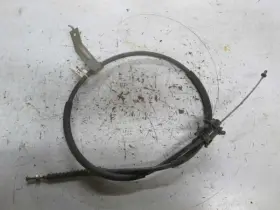
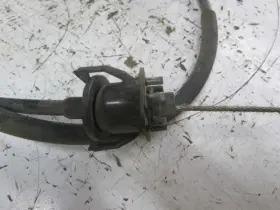
( Model: MUSTANG ), ( Part Type: Pressure Plate ), ( Conditions Options: 3.8l Mt Clutch Cable ), ( Genuine Oem: Yes ), ( Ipn: 406.fd1g99 )
Review FORD Pressure Plate fits MUSTANG 406 1999
The Ford 406 FD1G99 pressure plate is an essential component of the manual transmission system in select 1999 Ford Mustang models. This pressure plate's primary function is to transfer engine torque to the transmission gears via the clutch assembly. It works in conjunction with the clutch disc, allowing the driver to disengage and engage the powertrain smoothly.
The 406 FD1G99 pressure plate is engineered with a center hub and several clutch pressure plates that evenly distribute the engine's torque to the transmission. It is usually made of a heat-treated steel material to ensure the required strength and durability for reliable performance. The surface of the pressure plate features several clutch engagement fingers that clamp onto the clutch disc when the clutch pedal is pressed, releasing the connection between the engine and transmission for the driver to shift gears.
Key features of the Ford 406 FD1G99 pressure plate include:1. Designed specifically for Ford Mustang models from the 1999 production year with a FD1G99 part number.
2. Produced using high-quality, heat-treated steel for durability and strength.
3. Features several clutch engagement fingers on the surface that evenly distribute engine torque to the transmission.
4. Compatible with its corresponding clutch disc assembly and requires proper installation procedures to ensure optimal performance.
5. A worn-out or damaged pressure plate can cause unwanted vibrations, noisy clutch engagement, or difficulty shifting gears.
6. Regular inspections and replacements as recommended by the vehicle manufacturer contribute to a well-functioning clutch system and an enjoyable driving experience.
Pros and Cons of Buying a 1999 Ford Mustang 4.6L (FD1G) Pressure Plate
Introduction:The Ford Mustang 4.6L (FD1G) is a high-performance vehicle that continues to be popular among enthusiasts. One essential component in the powertrain of this vehicle is the pressure plate, which plays a crucial role in maintaining proper clutch function. Replacing a worn-out pressure plate can improve your driving experience and prevent complications. In this article, we will discuss the pros and cons of buying a new pressure plate for a 1999 Ford Mustang 4.6L (FD1G).
Pros:1. Improved clutch performance: A new pressure plate ensures consistent clutch function, leading to improved driving experience and smoother shifting.
2. Enhanced reliability: Installing a new pressure plate reduces the likelihood of clutch-related issues, extending the life of the transmission and entire powertrain.
3. Cost-efficient: Investing in a new pressure plate can save you from more extensive and costly repairs that might be necessary if the problem worsens.
4. Availability: Aftermarket pressure plates are widely available from various manufacturers at different price points, ensuring easy access to quality parts.
5. Upgrading potential: Installing a high-performance pressure plate can lead to increased power delivery, enhancing acceleration and overall driving dynamics.
Cons:1. Cost: The cost of a new pressure plate and associated labor can be expensive. However, consider the potential savings from avoiding additional repairs and the improvements in driving experience.
2. Installation complexity: Installing a pressure plate requires some mechanical skill and specialized tools. It may be a challenging do-it-yourself project or may require professional assistance.
3. Part compatibility: It is essential to ensure that you purchase the correct pressure plate for your specific Ford Mustang 4.6L (FD1G) model and engine configuration to avoid potential compatibility issues.
Conclusion:In conclusion, investing in a new pressure plate for a 1999 Ford Mustang 4.6L (FD1G) comes with both advantages and disadvantages. The benefits include improved clutch performance, increased reliability, cost savings, availability, and the possibility of upgrading performance. However, the cons are the cost, installation complexity, and part compatibility. Ultimately, considering these factors, the decision to purchase a new pressure plate comes down to your priorities, budget, and mechanical abilities. If you value a smooth driving experience, improved reliability, and the potential for added power, the benefits may outweigh the investment.
Details:
part #: 406.fd1g99 price
- $60.00
specifications addedclutch:
- for models: 406, Mustang
- for makes: Ford
- for years: 1999
- model#: MUSTANG
- part type: Pressure Plate
- conditions options: 3.8l Mt Clutch Cable
- genuine oem: Yes
- interchange part number: 406.FD1G99
shipping addedclutch:
- transit: 3-8 Days
- type: Fixed
- service: Standard
- class: Standard
- cost: $0.00
payments addedclutch:
- wallet: Google-pay
- other
- credit card: Discover
returns addedclutch:
- paid by: Buyer
- time: 30 Days
- policy: Returns Accepted
seller addedclutch:
- rating: 97.2%
- city: Greensburg, Indiana
- # reviews: 12162
offer addedclutch:
- options: Ship-to-home
- sold: 0
- started: July 22, 2024
- quantity: 1
- availability: In Stock
- best offers: True
general addedclutch:
- Transmission Drivetrain > Clutch Parts Kits > Clutch Kits
- condition: Used
Ford Is Similar To:
- 406.fd1h12 11-14 Ford Mustang 5.0l Mt Transmission Clutch Pressure Plate Friction Disc Pair (46.3% similar) No expedited shipping options are available at this time...(June 15th, 2024)
- Ford Br3z7a543a Clutch Master Cylinder 3.7l Fits 11-14 Mustang (30.5% similar) Buyer accepts all risk of damages/injuries if not installed properly. Replace thermostat gasket. They will not have any packaging included. Airbags must be installed in accordance with vehicle manufacturers specifications. And engage torque converter into front pump...(June 16th, 2024)
- Ford Shelby Fr3v 7k590 2018 Mustang Brake Master Cylinder Hydraulic Hose Tube Pipe Line Oem (34.3% similar) Donor car: 2018 ford mustang Shelby GT350 vain# 1FA6P8JZ1J5503192 mileage: 32,971 brake master cylinder hydraulic hose tube pipe line, normal wear from prior usage...(June 16th, 2024)
- Ford 196 64 65 66 67 68 1964 1968 Mustang 289 Ci Small Block V8 Clutch Fork (36.7% similar) 1964 - 1968 ford mustang 289 Ci small block v8 clutch fork, this is a used part...(June 16th, 2024)
- Ford C5oz-7515-b 65 66 67 Mustang Fairlane Falcon 289 Clutch Fork (35.2% similar) Part #: ford C5OZ-7515-B for sale...(June 18th, 2024)
- Fenco Ca31294 Reman Clutch Pressure Plate 94-97 Ford 7.3l Powerstroke Dual Mass Flywheel (36.6% similar) Be sure the part you are buying is correct for your application. Rubber parts, gaskets, hardware may need to be replaced and not usable. If any manufacturer warranty exists, it is between you and them. There may be minor corrosion, scuffs, torn or missing boxes, scratches from storage, etc...(June 20th, 2024)
- Ford C8oz 7515 Rare Vintage 1968-69 Mustang Shelby 428 Cj Clutch Release Lever C8oa D (35.9% similar) Offering a rare vintage 1968 -69 mustang Shelby 428 ck clutch release lever C8OA 7515...(June 22nd, 2024)
- Ford Kr33-7k592-ab 2018-23 Mustang Gt Clutch Master Cylinder Line For Mt82 204 (32.8% similar) 2020 by buildups. Non-defective/installed items. Cut or custom orders. Electrical items. Please research if part will fit your application prior to purchasing. Clutch master cylinder line for MT82. Non-returnable items. Wheels that have been dismounted/remounted. Shipping of...(June 23rd, 2024)
- Ford C7zz-7528-g 1967 68 69 70 Mustang Oem 289 302 J Code Clutch Equalizer Bar (39.7% similar) Original used 1967 68 69 70 ford mustang 289 except special and 302 boss clutch release equalizer bar assay C7ZZ-7528-G. Great solid piece of original ford manufacturing...(June 24th, 2024)
- Ford Xr3z-7515-aa Performance Mustang Clutch Fork 1996-2004 3.8 4.6 5.0l Steel (38% similar) Used with throw out bearing. Free pick-up. Removed from a 2003 ford mustang 4.6L 5 speed transmission with fit all 94-04. 3.8L mustang, 5.0L mustang and cobra, 4.6L various model's. Oem: XR33-7515-AA. Application: ford mustang 1994 -2004...(June 24th, 2024)
- Ford 410.fd1h10 Race Clutch Kit 6 Pluck 4.6l 3v Oem 2010 Mustang (35.5% similar) Race clutch kit 6 pluck 4.6L 3v oem 2010 ford mustang: some vehicles have different specs that must be matched to ensure fit. Orders placed after 2:00 pm CST cannot be guaranteed shipping that day...(June 28th, 2024)

1 offer $60.00 USD
- Used. Offer #1 priced at $60.00 + $0.00 delivery = $60.00* total. FREE SHIPPING